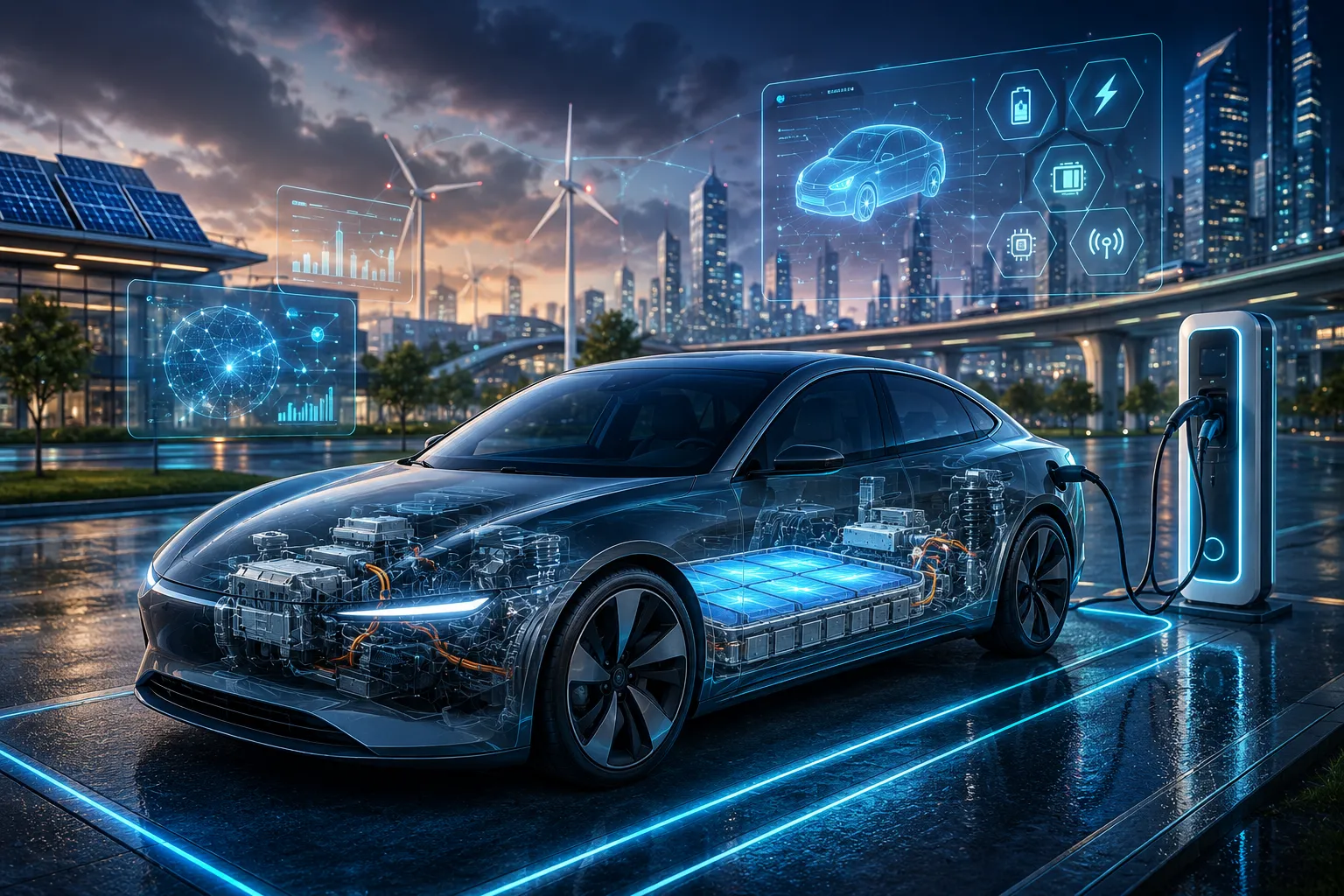
Modern vehicle technology brings together mechanical engineering, energy systems, sensors, software and public infrastructure. The changes are broader than a new kind of car: they affect charging, maintenance, streets and the information people use while travelling. A useful overview starts with what each component can do, where it has limits and why safety must remain central.
What Is Modern Vehicle Technology?
Vehicle technology includes the systems that create motion, manage energy, assist the driver and connect a vehicle to services. Different vehicles use different combinations of these tools. Good design considers reliability, accessibility, maintenance and the environment alongside performance.
Electric Vehicles
Electric vehicles use stored electrical energy and motors to move. They can have fewer moving drivetrain parts than a conventional engine system, but they still rely on carefully managed batteries, electronics and thermal systems. Their practical benefits depend on how they are made, charged and used over time.
Batteries and Energy Storage
A battery stores energy for later use. Battery-management systems monitor temperature, charge and condition to support safe operation. Capacity, charging speed and durability involve trade-offs, so no single number describes every driver’s experience. Repair, recycling and responsible material sourcing are important parts of the wider picture.
Electric Motors and Power Electronics
Electric motors turn electrical energy into motion. Power electronics control how energy moves between the battery and motor, while regenerative braking can recover some energy during slowing. These systems need efficient cooling and dependable software because they operate under changing road and weather conditions.
Vehicle Software
Software now helps manage energy use, navigation, displays, maintenance information and updates. It should be designed with clear controls and secure processes. A connected feature is only helpful when drivers understand it and it does not distract from the task of driving.
Sensors and Driver Assistance
Cameras, radar and other sensors can support warnings, parking help and lane-related assistance. Driver assistance is not the same as fully autonomous driving. Such systems have operating limits, can be affected by their environment and require attentive human drivers who follow local laws and the vehicle instructions.
Connected Vehicles
Connected vehicles can receive updates, share diagnostics and use networked services. Research into vehicle-to-everything communication explores timely information between vehicles and infrastructure. Privacy, cybersecurity and compatibility are essential; a connection should not create unnecessary exposure of a person’s location or data.
AI in Transportation
AI can support route planning, maintenance analysis and the interpretation of sensor data. It does not remove the need for testing, regulation and human accountability. In transport, a system must be judged by how safely and reliably it works in real conditions, not by a promotional demonstration. Related foundations are covered in ASARK’s AI Technology guide and Semiconductor guide.
Charging Infrastructure
Charging includes equipment at homes, workplaces and public locations, plus the networks that manage availability and payment. A practical system is dependable, easy to understand and available where people need it. Planning should consider apartments, rural routes, accessibility and the capacity of local electrical networks.
Sustainable Mobility
Cleaner mobility is not limited to one vehicle type. Public transport, walking, cycling, efficient logistics and well-planned streets can reduce unnecessary energy use. Technology is most valuable when it works with those choices rather than treating every transport problem as an individual purchase decision.
Choosing Technology with Context
There is no single mobility solution for every place or journey. A city commuter, a rural household, a delivery fleet and a public-transport operator each face different distances, budgets and infrastructure. Evaluating technology means looking beyond a headline range or feature list. Consider charging access, maintenance, safety support, energy sources and the alternatives that may reduce a trip altogether. This approach also prevents driver-assistance features from being misunderstood as promises of autonomy. Clear information helps people use available systems safely and gives communities a better basis for planning streets and services. Mobility improves when technology supports practical choices rather than demanding that everyone travel in the same way.
Battery Management and Thermal Control
Battery-management software monitors voltage, temperature and charge, while cell balancing supports even operation. Thermal control protects safety, efficiency and durability in hot or cold conditions. Charging therefore depends on careful hardware sensing and clear controls.
Vehicle Cybersecurity and Software Updates
Connected vehicles contain many software systems. Secure updates, protected communication and appropriate isolation help maintain reliability and safety. This is defensive engineering, focused on dependable transport rather than unnecessary exposure.
Vehicle-to-Everything Communication
This term describes limited, timely information exchanged between vehicles and nearby infrastructure or devices. It may support awareness of traffic conditions, but needs standards, privacy protection and testing. It does not make a vehicle fully autonomous.
Battery temperature affects both charging behaviour and long-term cell condition, so monitoring helps a vehicle make cautious decisions in changing weather. Secure updates need verified software, protected communication and testing before they reach a vehicle. Isolation between critical and convenience systems can support reliability. Charging interoperability and communication with nearby infrastructure may make journeys easier to coordinate, but connected services have limits and must never replace attentive driving or safe road design.
Reliable mobility also requires clear information for drivers about system status, charging choices and maintenance needs. Technology is most useful when its limits are communicated plainly and people can make informed, safe decisions in the conditions they actually face.
The Future of Vehicle Technology
Future mobility will depend on better energy systems, trustworthy software and safer infrastructure. Progress should make travel more accessible and resilient, while being honest about limitations. Return to the Vehicle Technology guide for the ASARK overview.